



 10 minutes to read
2026-04-16
Mohammed Hakmi
Reliable Information Sources for Investing: A Beginner’s Guide to Trusted Market Data


For anyone entering the world of investing, one challenge quickly becomes obvious: there is an overwhelming amount of financial information available. News headlines, social-media tips, market forecasts, and opinion threads appear constantly. Some of this information is valuable, but much of it is incomplete, outdated, or driven by speculation.
This information overload can make it difficult for beginners to know which signals are meaningful and which ones are simply noise. A catchy headline or a viral investment tip can grab attention, yet it is not always an accurate reflection of genuine market trends.
That is why understanding reliable information sources for investing is an essential skill. Clear, verified data helps investors interpret market conditions calmly rather than reacting emotionally to every price movement or rumor.
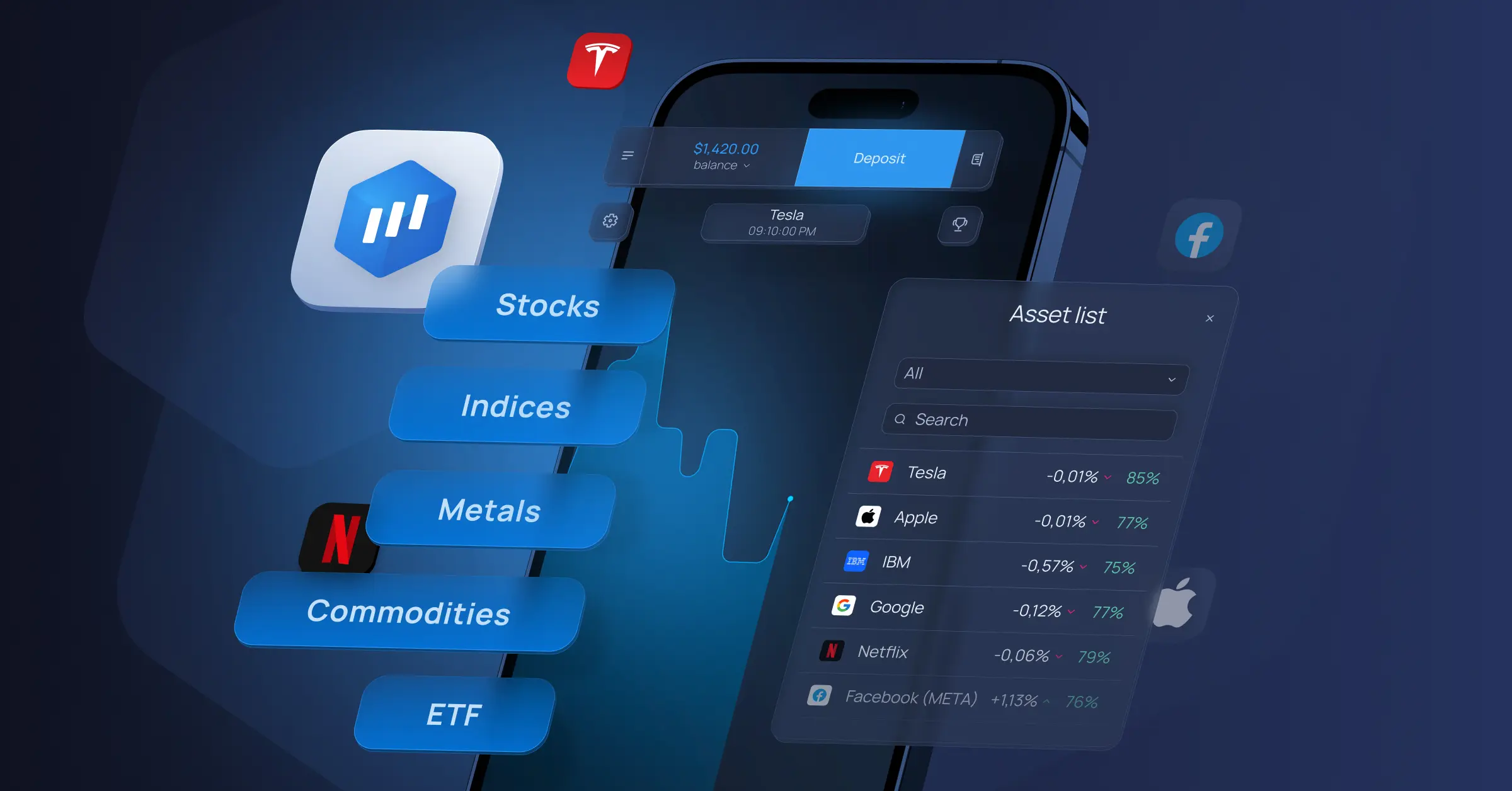
Today, many investors combine several financial news sources, investment research tools, and market analysis platforms to build a clearer picture of market conditions. Platforms like ExpertOption, for example, provide integrated tools such as technical charting and asset price monitoring within a single interface. When these tools are combined with external financial data and verified reports, investors gain a more structured understanding of market movements.
This article explores how investors can identify trusted market data, evaluate source credibility, and create a reliable research workflow that supports thoughtful decision-making rather than impulsive reactions.
Understanding What Makes an Information Source Reliable
Not all financial information carries the same level of credibility. Some data originates from primary sources, such as official reports or direct market feeds. Other information is secondary, meaning it interprets or comments on primary data.
Unreliable sources often include anonymous social media posts, unverified “insider tips,” clickbait headlines, or content that promises guaranteed outcomes without evidence. Forums, messaging groups, and influencer opinions can sometimes mix facts with speculation, making it harder to distinguish real insights from noise.
Understanding this difference is key to recognizing trusted market data.
Primary Financial Data
Primary data refers to information that originates directly from official or verified institutions. These sources typically provide raw data rather than interpretation, allowing investors to analyze the information themselves.
Examples include:
- Economic indicators released by government agencies
- Corporate earnings reports and financial statements
- Central bank announcements and policy statements
- Commodity supply reports or energy production data
Because official organizations publish these reports, they are considered among the most reliable information sources for investing. However, they still require interpretation, which is why many investors combine them with analytical tools.
Secondary Market Analysis
Secondary sources analyze primary data and present interpretations or forecasts. These include:
- Financial journalism
- Market research reports
- Analyst commentary
- Educational trading guides
When produced by reputable organizations, these sources, such as established financial news outlets, official company reports, central bank publications, and recognized market analysis platforms, can provide valuable context and explanations for complex financial developments.
However, investors should remain aware that analysis may contain opinions. This is why cross-checking information across multiple financial news sources helps reduce bias.
Characteristics of Trusted Market Data
Reliable financial information usually shares several common characteristics:
- Transparency: Data sources are clearly identified
- Consistency: Information aligns with official reports
- Timeliness: Updates reflect current market conditions
- Traceability: Readers can verify the source
When evaluating any piece of information, ask a simple question: Where did this data originate, and can it be verified? Is the source reputable and widely trusted?
This approach helps investors filter out speculation and focus on verified financial reports and credible analysis.
Why an Intuitive Research Workflow Changes Everything
Finding good information is only one part of the process. The real advantage comes from organizing that information into a structured workflow.
Many investors make the mistake of jumping between dozens of sources without a clear method. This often leads to confusion because different commentators may interpret the same event differently.
A structured workflow usually combines several types of market analysis platforms and research tools.
For example, a typical research process might include:
- Checking major financial news sources for global developments.
- Reviewing economic indicators scheduled in an economic calendar.
- Observing price trends through technical charting tools.
- Comparing insights from multiple analytical reports.
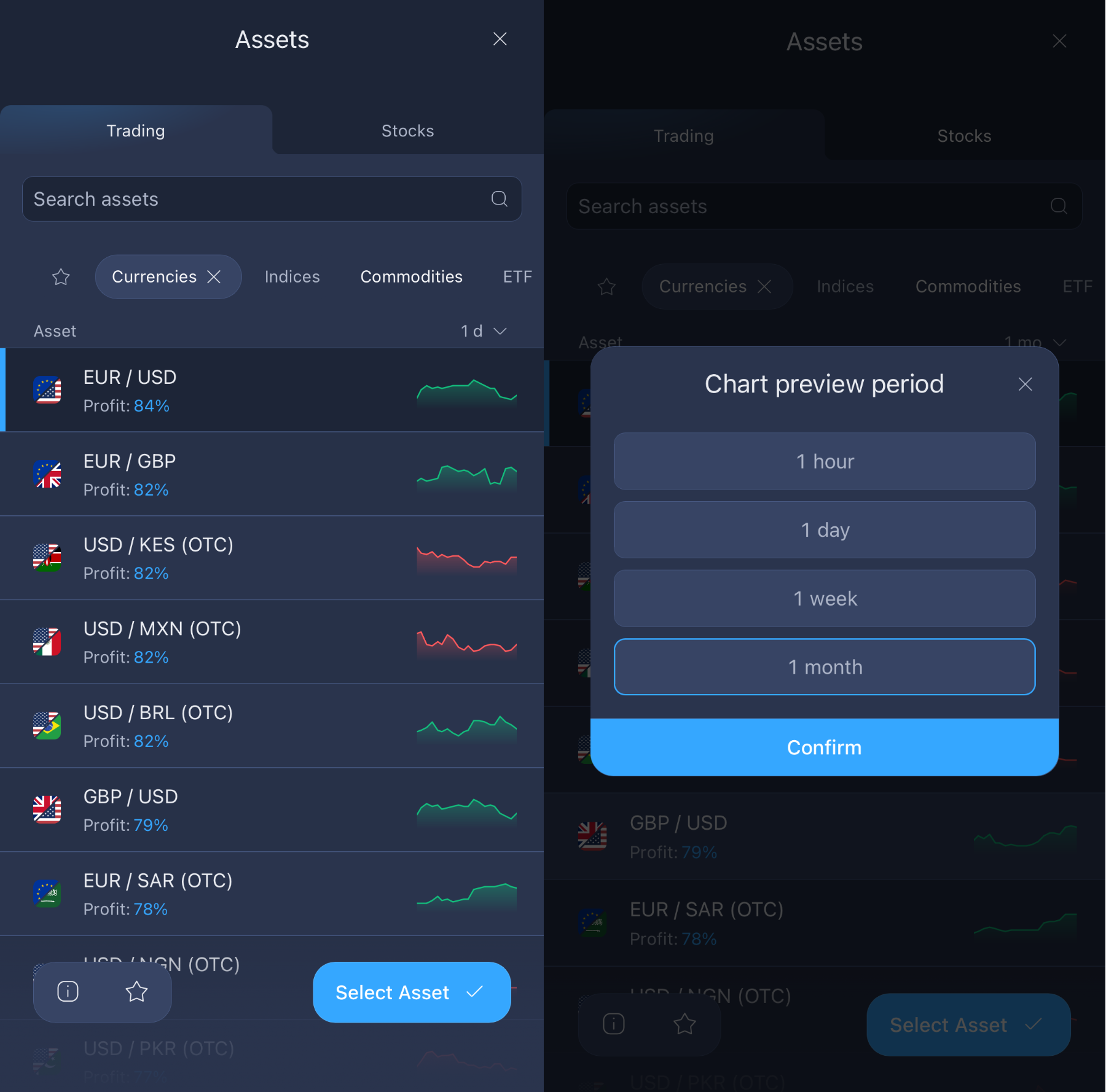
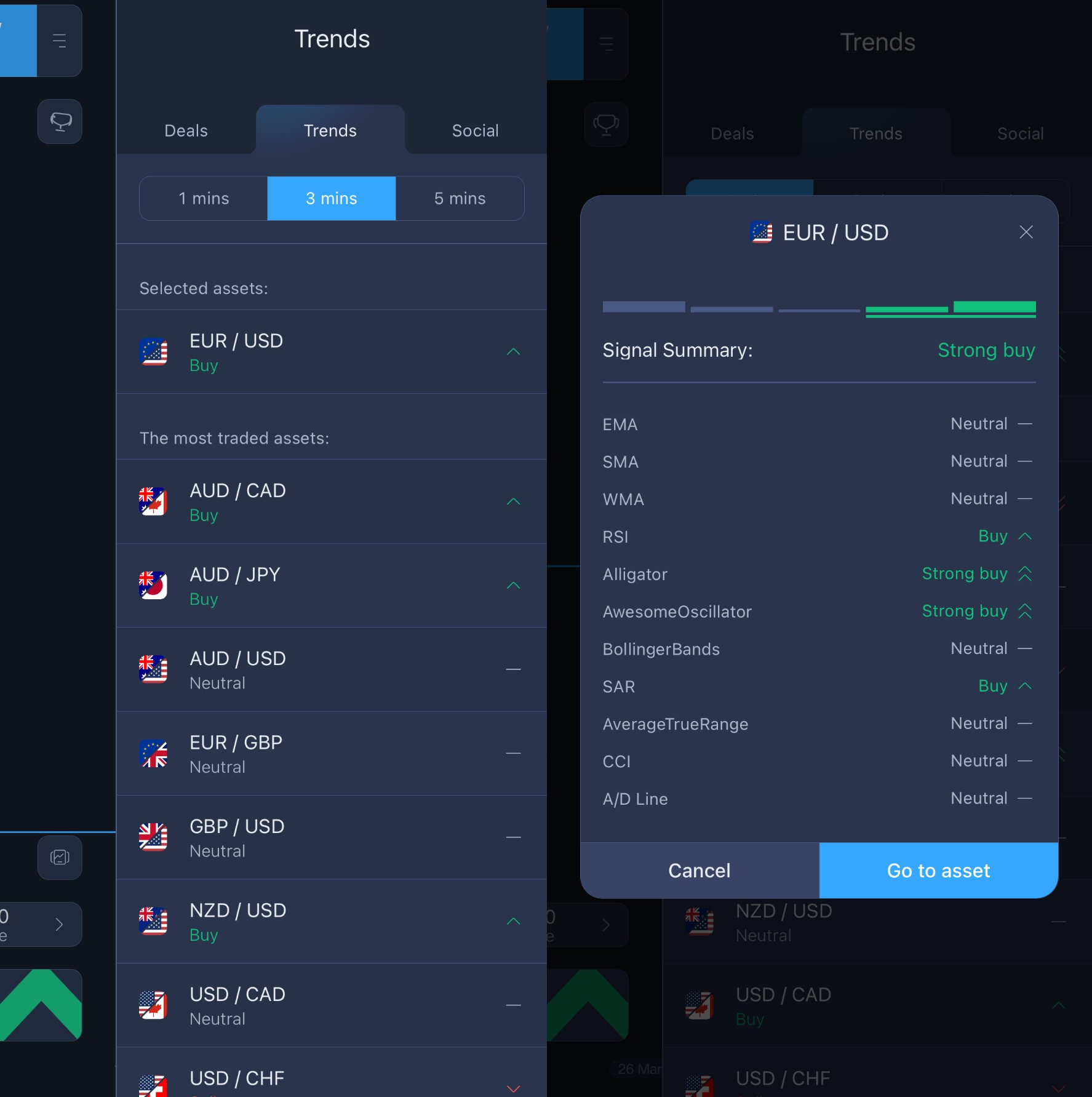
Some trading platforms offer integrated charting tools and asset monitoring features that allow investors to correlate news events with price movements. When traders see how the price reacts to economic announcements or earnings reports, they develop a deeper understanding of market dynamics.
This structured workflow helps prevent a common problem: misinterpreting isolated headlines. A news story may sound dramatic, but when viewed alongside charts and broader data, its impact may appear far more limited.
A consistent research routine also improves emotional discipline. Investors who rely on structured information flows are generally less likely to react impulsively to sudden price swings or viral market rumors.

Key Benefits of Using Reliable Information Sources
Building a research process based on trusted market data creates several practical advantages for investors.
First, it helps establish clarity in a fast-moving market environment. Financial markets respond to a wide range of factors, including economic indicators, geopolitical events, and corporate performance. Reliable data allows investors to understand why these movements occur.
Second, verified information supports more informed market analysis. Rather than relying on speculation, investors can evaluate developments using factual evidence and consistent reporting.
Third, using reliable information sources for investing encourages long-term discipline. When decisions are based on research instead of short-term hype, investors often find it easier to maintain a structured strategy.
Another benefit is improved confidence in decision-making. When investors know that their insights come from credible reports and verified statistics, they are less likely to second-guess every market movement.
Finally, combining trustworthy research with modern investment research tools — such as price charts and economic calendars — helps investors build a more complete understanding of global markets.
Platforms like ExpertOption support this approach by offering simple investing tools and technical charting features that allow users to monitor market activity in real time while referencing external data sources.
Who Should Follow This Guide
While experienced investors often develop their own research habits over time, beginners frequently struggle with information overload.
This guide is particularly helpful for:
- New investors trying to identify credible financial news sources
- Traders overwhelmed by market headlines and social media commentary
- Individuals seeking unbiased market insights rather than speculation
- Investors who want a structured approach to research and market analysis
A clear research routine is especially valuable for those who feel uncertain about which information to trust. Learning how to evaluate sources carefully can make the difference between reacting to hype and making decisions based on verified financial reports.
Common Mistakes to Avoid
When searching for reliable market information, investors often encounter several common pitfalls.
One of the most frequent mistakes is relying heavily on social-media tips. While social platforms can introduce new ideas, they often amplify rumors or opinions that lack verification. Without supporting data, these suggestions should be treated cautiously.
Another issue is depending on a single source of information. Even reputable publications may emphasize particular perspectives. Cross-checking data across several market analysis platforms helps ensure a more balanced view.
Some investors also overlook official economic indicators. Reports on inflation, employment, or central bank policy can significantly influence financial markets, yet they are sometimes ignored in favor of short-term commentary.
There is also a tendency to react quickly to sensational headlines. Market-moving news often appears dramatic, but its actual impact becomes clearer when examined alongside price charts and broader economic context.
Finally, beginners sometimes confuse short-term volatility with long-term trends. Reliable research helps distinguish temporary market noise from meaningful structural changes.
Recognizing these mistakes allows investors to refine their information workflow and rely more consistently on trusted market data and verified insights.
FAQs
Why are reliable information sources important for investing?
Reliable information helps investors interpret market movements accurately. Without verified data, decisions may be influenced by rumors, incomplete reports, or emotional reactions to headlines.
What are examples of trusted market data?
Trusted data typically comes from official economic reports, corporate financial statements, central bank announcements, and established financial news organizations. These sources provide verified financial reports and consistent statistics.
How do investment research tools help investors?
Investment research tools such as technical charting platforms, economic calendars, and asset trackers help investors connect market news with price movements. These tools provide visual insights that complement financial reports and news analysis.
Are social media platforms reliable for market information?
Social media can provide ideas or discussions about market trends, but it should not be the sole source of information. Investors should always confirm claims using trusted market data and reputable financial news sources.
How can beginners organize their market research?
A simple approach includes:
- Following established financial news outlets
- Monitoring economic indicators through an economic calendar
- Observing price behavior using technical charting tools
- Comparing multiple analyses before forming conclusions
Platforms such as ExpertOption make this process easier by offering simple investing tools within a beginner-friendly platform.
How often should investors check market information?
The frequency depends on the investment approach. Long-term investors may focus on major economic updates and quarterly reports, while active traders often monitor daily market developments.
Which financial news source is best for beginners?
There is no single “best” source, but beginners should start with well-established financial news platforms known for accuracy and clarity. The key is to choose sources that provide trusted market data, avoid sensationalism, and explain market movements in simple terms. Combining one or two reliable outlets with investment research tools helps build a balanced and informed view of the market.
To Sum Up
These days, information moves faster than ever. While this creates opportunities for investors to stay informed, it also increases the risk of confusion and misinformation.
Learning how to identify reliable information sources for investing is, therefore, one of the most valuable skills an investor can develop. Trusted market data, verified financial reports, and reputable financial news sources provide a solid foundation for understanding global market dynamics.
When combined with effective investment research tools — such as technical charting, economic calendars, and asset tracking — these sources help investors move beyond speculation and toward structured analysis.
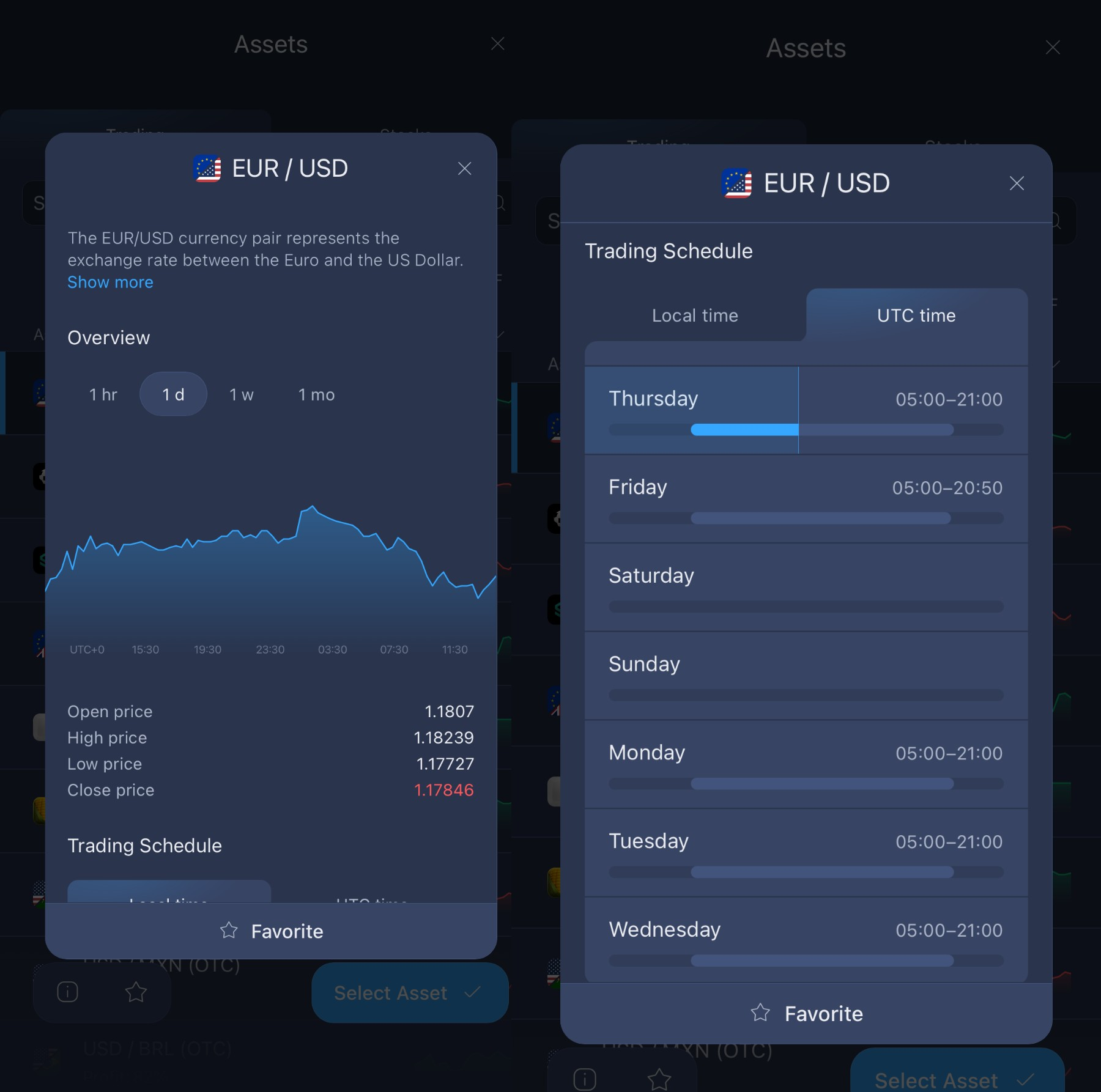
Platforms like ExpertOption contribute to this process by offering a user-friendly platform with integrated charting tools, making it easier for users to observe how real-time market data aligns with broader economic developments.
Ultimately, successful research does not depend on finding a single perfect source. Instead, it comes from building a balanced information workflow that filters noise, verifies facts, and supports thoughtful market analysis.
With the right sources and a disciplined approach, investors can navigate the financial landscape with greater clarity and confidence.
Latest Posts
Trading Education
Trading News
Trading Strategies
Promotions & Tournaments
Success Stories & Tips
Platform Updates
Global events, stocks, crypto, forex
ExpertOption Reviews: An Honest Overview and Tips from Traders
5 minutes to readExpertOption Withdrawal Policy: How Withdrawals Work and Why Balance Management Matters
5 minutes to readExpertOption Reviews: An Honest Overview and Tips from Traders
5 minutes to readExpertOption Withdrawal Policy: How Withdrawals Work and Why Balance Management Matters
5 minutes to read